

Ever open your fridge to find a bag of spinach turned to slime, or a half-used lime shriveled into a rock? You’re not alone. The average household tosses a shocking amount of edible food every single week — not because people don’t care, but because there’s no system. Food waste isn’t usually a discipline problem. It’s a planning problem.
The good news: fixing it doesn’t require a total lifestyle overhaul. It just requires one weekly ritual, repeated consistently. Here’s a simple, five-step system that takes less than 30 minutes a week and can cut your food waste dramatically.
Step 1: The Fridge & Pantry Audit (Sunday, 10 minutes)
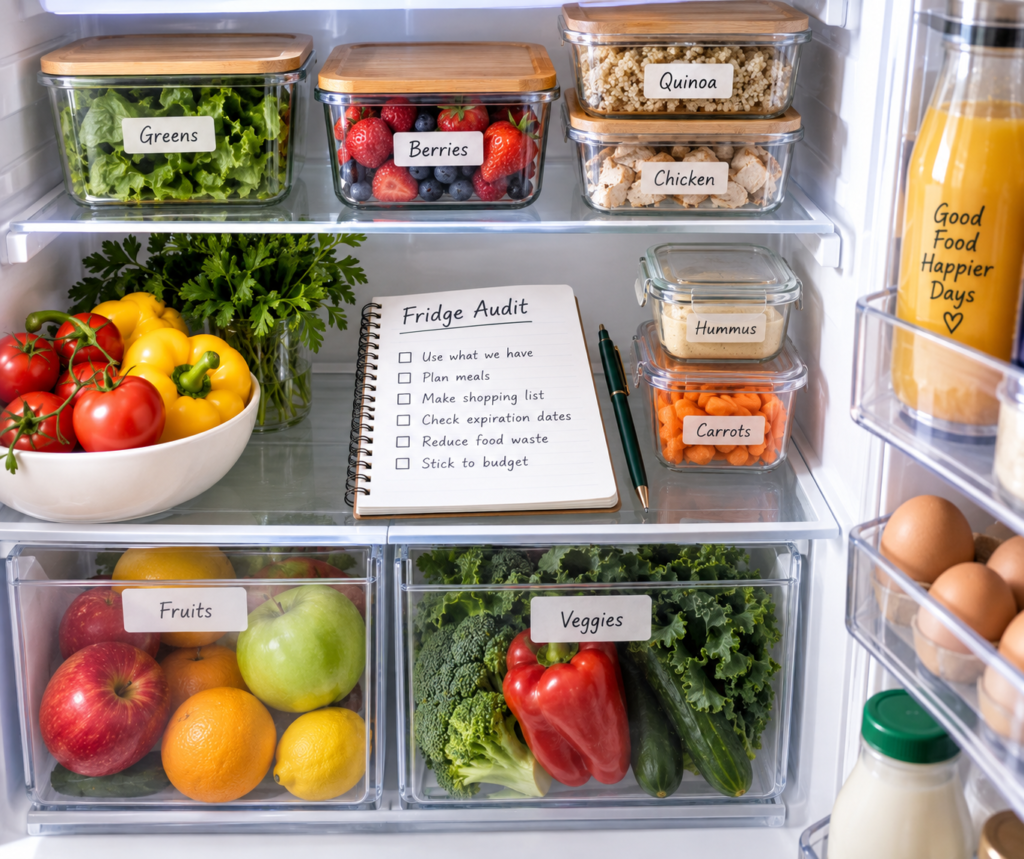
Before you buy anything new, look at what you already have. Pull everything out of the fridge, freezer, and pantry and take stock. Group items into three piles: “eat this week,” “freeze it,” and “toss it” (compost if you can).
This single habit does two things: it prevents duplicate purchases, and it puts almost-expired food front and center in your mind — so it actually gets used instead of forgotten in the back of a drawer.
Step 2: Build Your Menu Around What’s Already There
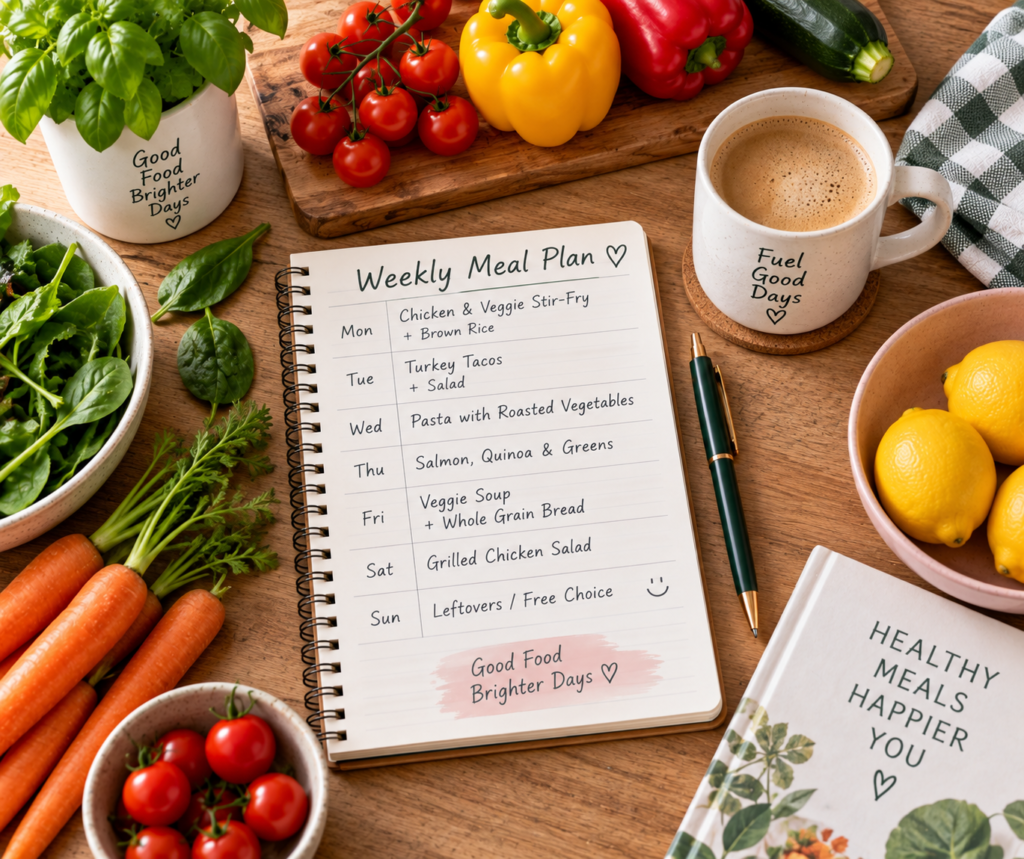
Instead of planning meals first and shopping second, flip it. Look at your “eat this week” pile and build 4–5 meals around those ingredients first. Only add new groceries to fill in the gaps. This is the single biggest shift that reduces waste — you’re designing meals to use up food, not accumulating food you hope to use.
Step 3: Shop With a Precise List (and a Full Stomach)
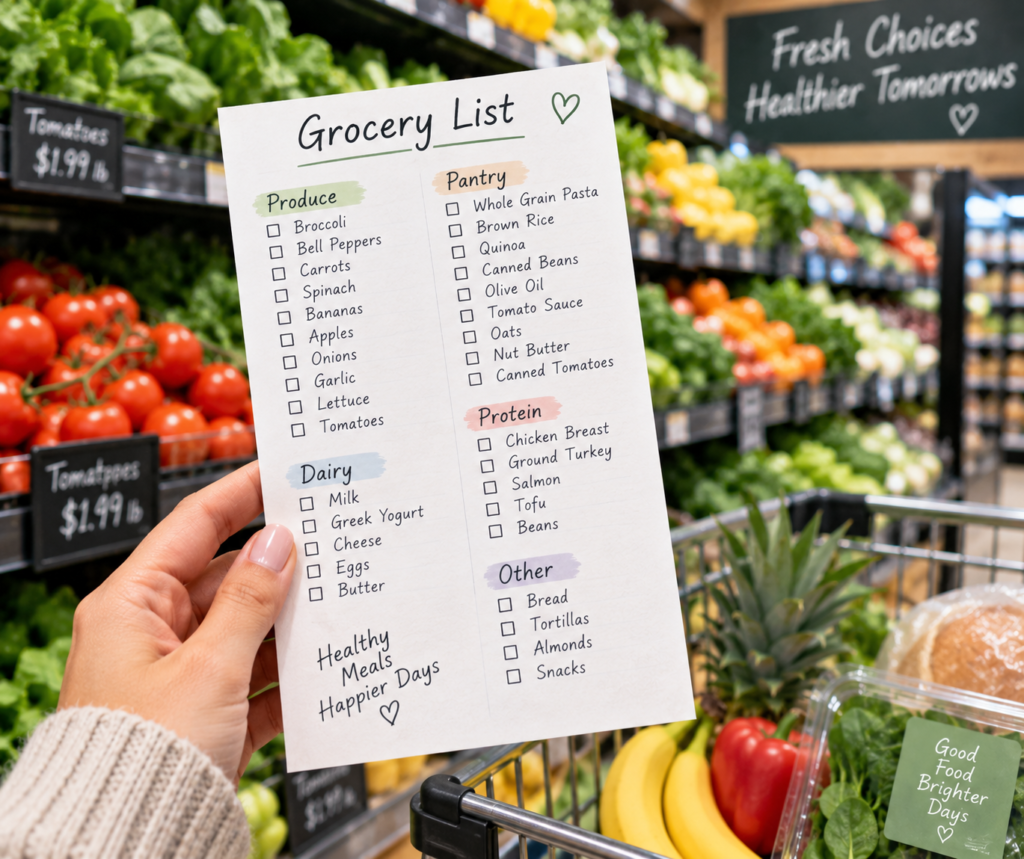
Once your menu is set, write a list organized by category (produce, dairy, pantry, protein) and stick to it. Buying only what’s on the list — no “just in case” extras — keeps your kitchen from filling up with things that quietly expire.
Step 4: Prep in One Batch
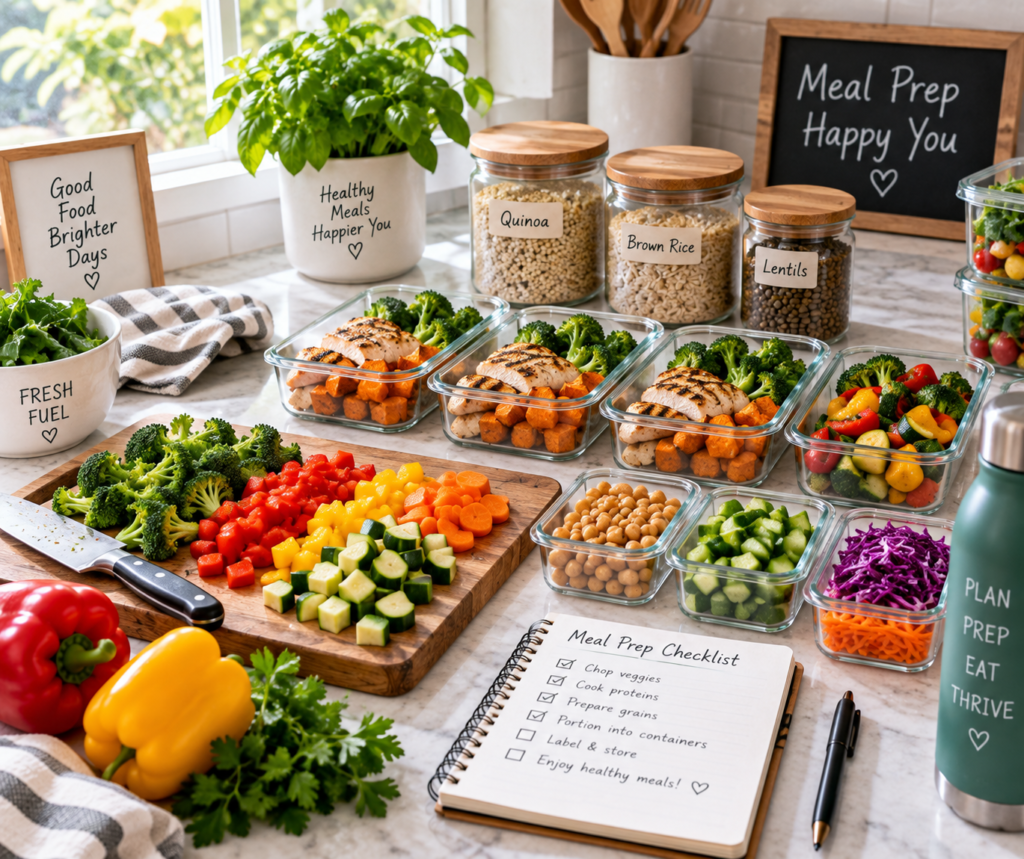
Pick one day (or even just 20 minutes) to do simple prep: wash and chop vegetables, portion proteins, cook a grain in bulk. Food that’s already prepped gets used faster because it removes the friction of cooking from scratch every night. Ironically, the more “ready to go” your food is, the less likely it is to be forgotten and wasted.
Step 5: The “Use It Up” Drawer
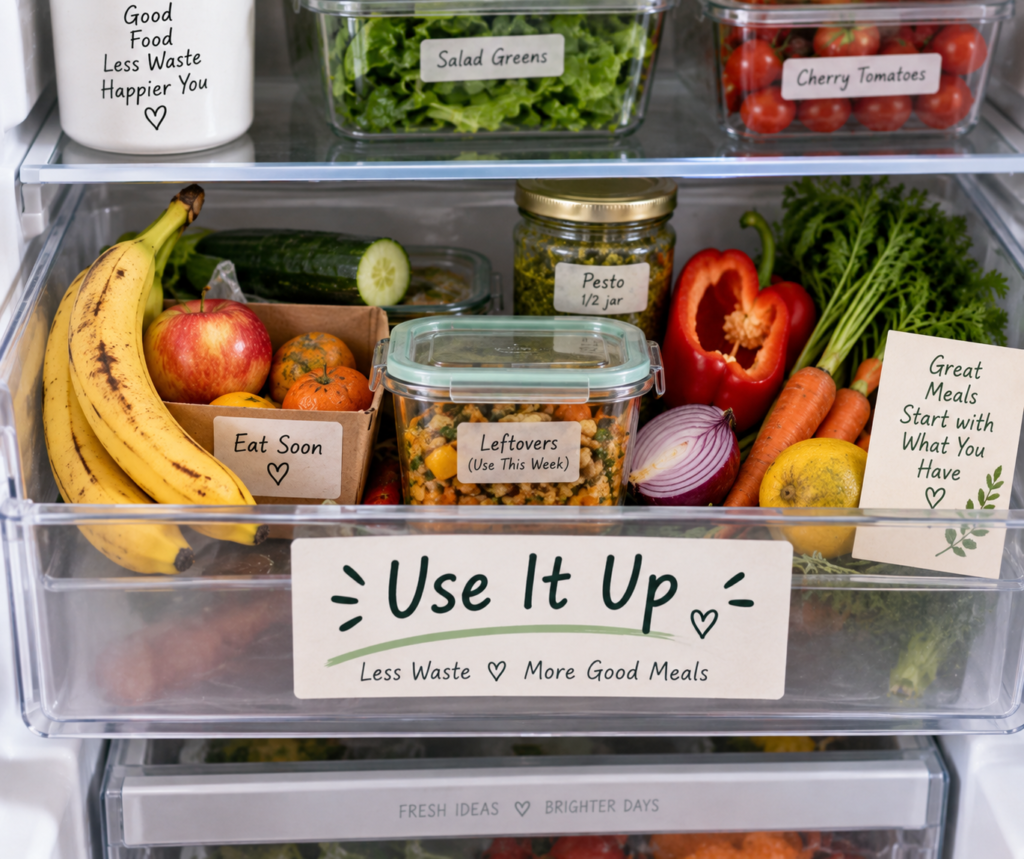
Designate one shelf or drawer in your fridge as the “eat me first” zone. Anything nearing its expiration date goes there immediately. Make it a habit to check that drawer before deciding what to cook — it becomes your visual reminder so nothing quietly dies in the back of the fridge.
The Weekly Loop
This isn’t a one-time fix — it’s a loop. Every week: audit, plan, shop, prep, and monitor the use-it-up drawer. After a few cycles, it becomes second nature, and you’ll likely notice your grocery bill shrinking right alongside your trash can.
Small, consistent systems beat big, dramatic changes. Give this one a try for three weeks and see how much less you’re scraping into the compost bin.

I’m Grayson Watson, your frugal companion and the brain behind this money-saving extravaganza. Strap yourself in, because we’re about to embark on a wallet-friendly adventure like no other. Learn More!