

Home insurance is one of those expenses homeowners know they need, but that does not make a rising premium any easier to accept. When your renewal notice arrives with a higher price than last year, you may wonder whether there is anything you can actually do about it.
The good news is that home insurance costs are not necessarily fixed.
From comparing insurers and adjusting your deductible to improving home security and reviewing unnecessary coverage, there are several practical ways to potentially reduce what you pay without simply giving up important protection.
If you are wondering how to lower home insurance premiums, this guide covers 17 strategies U.S. homeowners can consider.
Some changes can potentially produce relatively quick savings, while others may help make your property more attractive to insurers over the long term.
Important: Insurance availability, pricing, discounts, underwriting requirements, and coverage vary significantly by insurer and state. Always review your individual policy and speak with a licensed insurance professional before making major coverage changes.
Why Are Home Insurance Premiums So Expensive?
Before trying to reduce your homeowners insurance premium, it helps to understand what can affect the price.
Insurance companies evaluate risk when determining premiums. Although every insurer has its own underwriting and pricing methods, factors commonly considered can include:
- Where your home is located
- The estimated cost of rebuilding the property
- The home’s age and construction
- Roof condition and age
- Previous insurance claims
- Selected coverage limits
- Your deductible
- Certain home safety and security features
- Local exposure to severe weather and other hazards
- Discounts for which you qualify
- Other factors permitted under state law
Some of these factors are outside your control.
You cannot move your neighborhood or prevent severe weather from occurring, for example. However, there are still several variables homeowners may be able to influence.
Let’s look at some of the most practical options.
1. Shop Around for Home Insurance
One of the first things to consider when trying to lower homeowners insurance costs is comparing quotes.
Insurance companies do not necessarily charge identical premiums for the same house. Each company has its own underwriting rules, pricing models, discount programs, and risk appetite.
That means your current insurer may not always be your most affordable option.
Consider requesting quotes from several reputable insurers or working with an independent insurance agent who can compare multiple carriers.
When comparing quotes, however, do not focus exclusively on the premium.
Try to compare similar:
- Dwelling coverage
- Personal property coverage
- Liability limits
- Deductibles
- Additional living expense coverage
- Endorsements
- Exclusions
A policy that costs less may also provide less protection.
The goal is not necessarily to find the cheapest home insurance available. It is to find a competitive price for coverage that appropriately protects your home and finances.
2. Consider Increasing Your Deductible
Your deductible is generally the amount you are responsible for paying toward a covered loss before the insurer pays according to the policy terms.
Choosing a higher deductible can sometimes reduce your insurance premium because you agree to take on more of the financial risk yourself.
For example, if your current policy has a relatively low deductible, you could ask your insurer how the premium would change with a higher deductible.
Do not automatically choose the highest available deductible, though.
Before increasing it, ask yourself:
Could I comfortably pay this amount after an unexpected covered loss?
If paying your deductible would require taking on high-interest debt or draining your emergency savings, the premium savings may not justify the additional risk.
Also review whether your policy has separate deductibles for certain types of losses, such as windstorms, hurricanes, or other hazards.
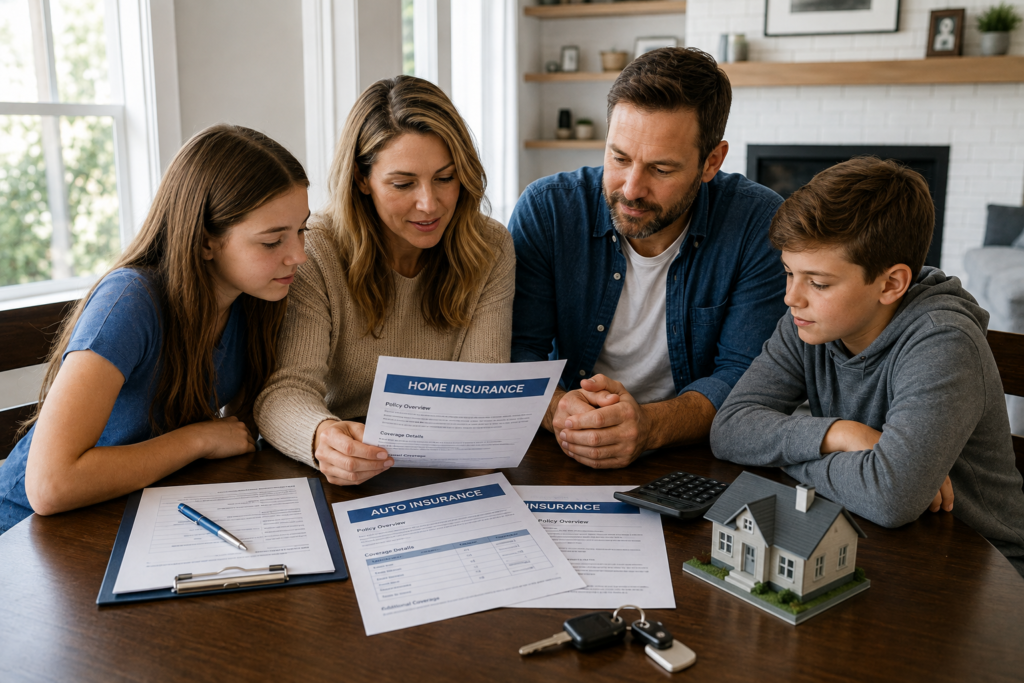
3. Bundle Home and Auto Insurance
Insurance bundling is another popular way homeowners may qualify for a discount.
Instead of purchasing homeowners insurance from one company and auto insurance from another, ask insurers for quotes that combine both policies.
Insurers often call this a multi-policy discount.
Bundling can also make your insurance easier to manage because you may have fewer companies and accounts to deal with.
But do the math before switching.
A large percentage discount does not automatically mean the lowest total price.
Compare the combined cost of:
Home insurance + auto insurance
under the bundle against the total cost of purchasing the best policies separately.
The option with the largest advertised discount is not necessarily the option that saves you the most money overall.
4. Ask About Every Available Home Insurance Discount
You may qualify for discounts that you are not currently receiving.
Discounts vary considerably among insurance companies, so contact your insurer and ask for a complete review of the discounts available on your policy.
Depending on the company and your circumstances, potential discounts may relate to things such as:
- Multiple policies
- Security systems
- Smoke detectors
- Automatic payments
- Paperless billing
- Claims history
- Newer or renovated homes
- Protective devices
- Certain roof improvements
- Loyalty
- Paying the premium in full
Eligibility requirements vary, and not every insurer offers every discount.
Rather than assuming your policy already includes everything available, ask your agent or insurer directly:
“Can you review my policy for every discount I currently qualify for?”
It is a simple question that could uncover savings.
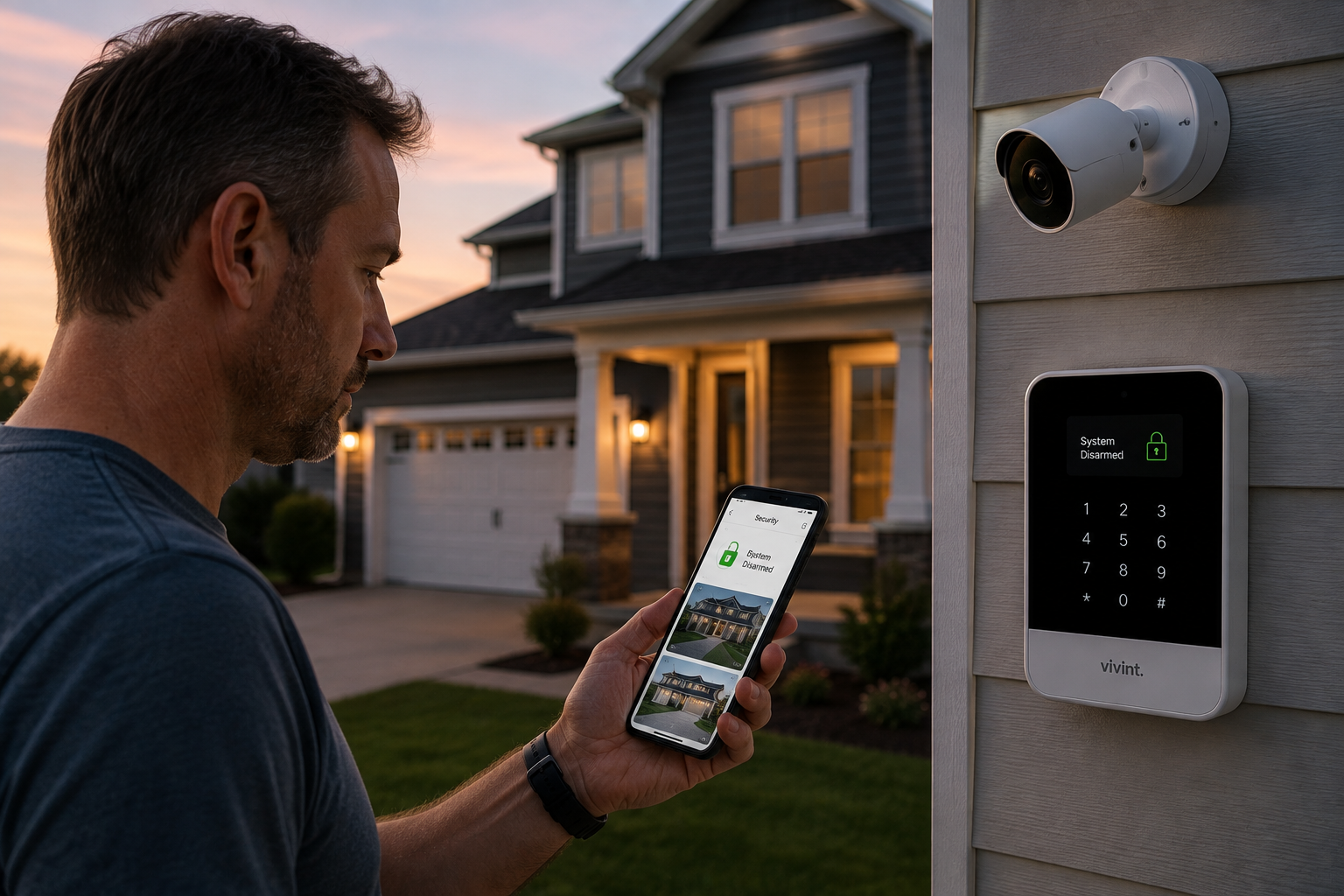
5. Improve Your Home Security
Improving home security can do more than help protect your property.
Some insurance companies offer discounts for qualifying protective devices.
Depending on your insurer, eligible features could include monitored alarm systems or other approved security equipment.
Even when a security improvement does not qualify for a meaningful insurance discount, it may still make sense from a home-protection standpoint.
Before purchasing expensive equipment specifically for insurance savings, however, contact your insurer.
Ask:
- Which security systems qualify?
- Does professional monitoring matter?
- How large is the potential discount?
- What documentation is required?
There is little financial benefit in spending hundreds of dollars on equipment purely for a small insurance discount unless you also value the security benefits.
6. Install and Maintain Safety Devices
Homeowners insurance companies are concerned about losses from risks such as fires and water damage.
Safety equipment may therefore be worth reviewing.
Depending on your insurer and local requirements, useful home-protection measures can include:
- Smoke alarms
- Carbon monoxide detectors
- Fire extinguishers
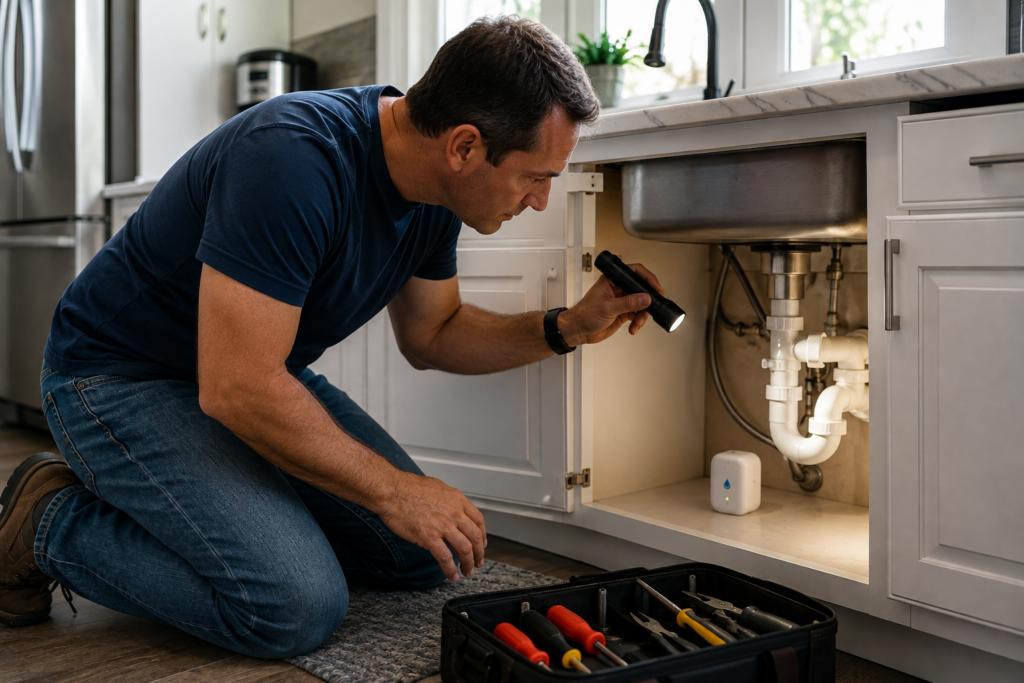
- Automatic water shutoff devices
- Leak detection systems
- Sprinkler systems
Some insurers may provide discounts for qualifying protective devices, while others may simply view certain improvements favorably during underwriting.
Either way, prevention can be financially valuable.
Avoiding serious water or fire damage can save far more than a small annual premium discount.
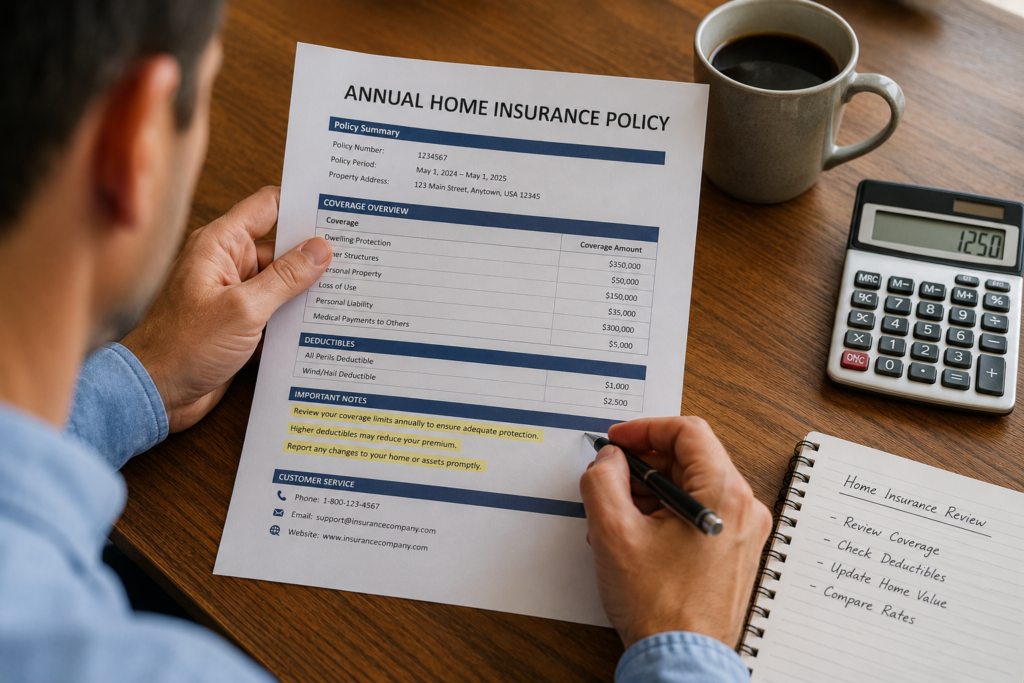
7. Review Your Coverage Every Year
Many homeowners renew their policy automatically without closely reviewing what is included.
That can be a mistake.
Your insurance needs can change over time.
Maybe you sold expensive personal property that previously required additional coverage. Perhaps you completed a renovation, purchased valuable belongings, or made another major change to your home.
Review your policy at least annually and after major life or property changes.
Pay attention to:
- Dwelling coverage
- Other structures coverage
- Personal property limits
- Liability protection
- Deductibles
- Optional endorsements
- Scheduled valuable property
The purpose of an insurance review should not simply be to remove coverage until the premium gets cheaper.
Instead, look for coverage that no longer reflects your circumstances while making sure important risks remain appropriately insured.
8. Do Not Confuse Your Home’s Market Value With Rebuilding Cost
This is an important distinction.
Your home’s real estate market value and the amount required to rebuild the physical structure are not necessarily the same.
Market value can include factors such as:
- Land
- Neighborhood
- Local housing demand
- School district
- Location
- Lot size
Homeowners insurance dwelling coverage, on the other hand, is generally concerned with the cost of repairing or rebuilding the insured structure after a covered loss, subject to policy terms.
That does not mean homeowners should arbitrarily reduce their dwelling coverage.
Being underinsured can create serious financial problems after a major loss.
Instead, review the dwelling limit with your insurer or agent and ask how the estimated replacement cost was calculated.
The objective is accurate coverage—not simply a lower number.
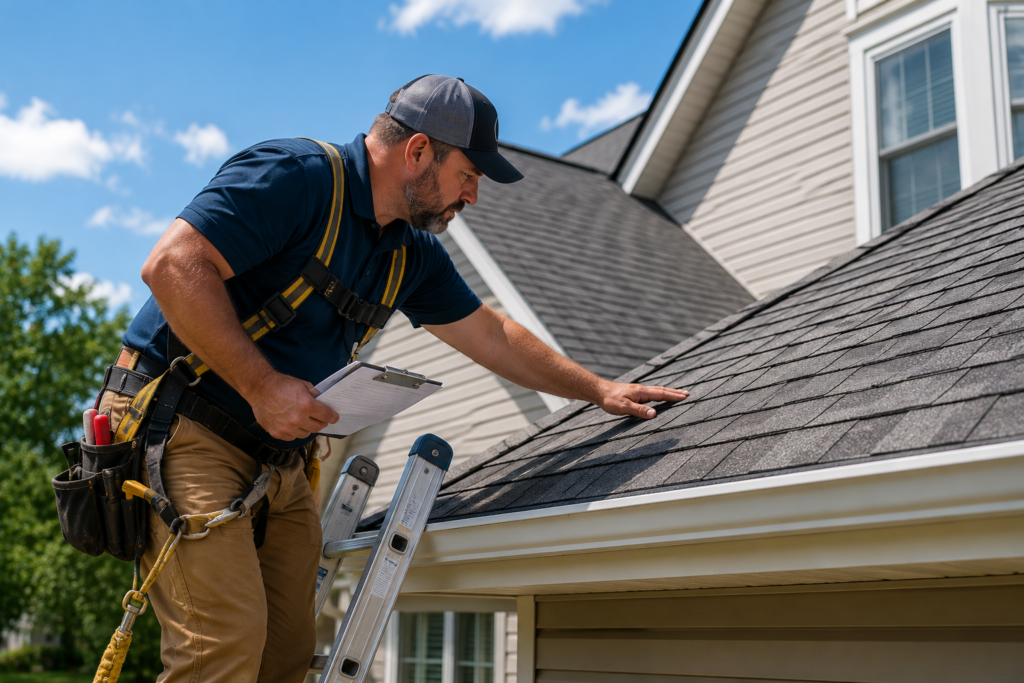
9. Maintain Your Roof
Your roof is one of the most important protective components of your home.
A damaged or deteriorating roof can increase the risk of costly insurance losses.
Keep your roof properly maintained and address problems before they become severe.
Look for issues such as:
- Missing shingles
- Damaged flashing
- Leaks
- Storm damage
- Deteriorated roofing material
- Drainage problems
If you are replacing a roof, ask your insurance company whether certain roofing materials or construction standards may affect eligibility or pricing in your area.
Do this before choosing materials if insurance savings are part of your decision.
A roof replacement can be expensive, so it generally should not be undertaken solely to obtain a premium discount.
But if your roof already needs replacement, insurance implications are worth discussing.
10. Make Your Home More Resistant to Severe Weather
Weather-related risk has become an increasingly important issue for many U.S. homeowners.
Depending on where you live, your home may face risks from:
- Hurricanes
- Windstorms
- Hail
- Wildfires
- Tornadoes
- Winter storms
- Other regional hazards
Some insurers or state programs may recognize certain mitigation improvements.
Examples can include stronger roofing systems, storm shutters, impact-resistant features, or other upgrades designed for local hazards.
The appropriate improvements depend heavily on your location.
A homeowner in Florida will have different concerns than someone living in Minnesota or Arizona.
Ask your insurer which mitigation improvements it recognizes before spending money specifically to lower your premium.
11. Think Carefully Before Filing Small Claims
Home insurance exists to protect you from covered losses, and you should use your coverage when appropriate.
However, homeowners should also understand that claims history can be one factor insurers consider when determining eligibility and pricing, subject to state rules and the insurer’s underwriting practices.
Suppose a minor covered loss costs only slightly more than your deductible.
Before filing, it may be worth understanding the financial difference between paying for the repair yourself and submitting a claim.
This does not mean you should avoid filing legitimate claims when you need your insurance.
Homeowners insurance is particularly important for losses that could otherwise cause substantial financial harm.
The better lesson is to avoid treating insurance as a maintenance plan for every small household expense.
Maintain an emergency fund for manageable repairs while keeping insurance available for covered losses where using it makes financial sense.
12. Ask About Payment Options
The way you pay for homeowners insurance can sometimes affect your overall cost.
Depending on your insurer, paying the annual premium in full may cost less than making monthly installments because installment fees or other charges may apply.
Some companies also offer discounts for automatic payments or paperless billing.
Ask your insurer to show you the total annual cost under each available payment arrangement.
Then compare:
Monthly payments × 12
with:
One annual payment
If there is a meaningful difference and paying annually will not strain your finances, paying upfront could potentially save money.
13. Review Optional Add-Ons and Endorsements
Home insurance policies can include optional endorsements that expand or modify coverage.
Many are extremely useful.
Others may no longer fit your circumstances.
Review each optional endorsement and ask:
- What exactly does this cover?
- What is the annual cost?
- What is excluded?
- Do I still need it?
- Would removing it create a significant financial risk?
Do not cancel important protection merely to save a few dollars.
For example, standard homeowners policies have important exclusions and limitations, and certain risks may require separate policies or endorsements.
The goal is to understand what you are paying for and make an informed decision.
14. Improve Your Insurance Risk Profile
Insurers evaluate numerous characteristics when pricing and underwriting homeowners policies.
Some are outside your control, but maintaining your property can help reduce preventable risks.
Regularly inspect and maintain important systems such as:
- Electrical systems
- Plumbing
- Heating equipment
- Roof
- Water lines
- Gutters and drainage
- Smoke and carbon monoxide alarms
Promptly repairing a small leak, for example, may prevent a much larger water-damage problem later.
Insurance savings are useful, but preventing the loss in the first place is usually even more valuable.
15. Compare Insurance Again After Major Home Improvements
Do not assume you need to stay with the same insurer forever.
If you make major improvements to your home, it may be worth getting new quotes.
For example, you might have:
- Replaced an aging roof
- Updated plumbing
- Modernized electrical systems
- Installed qualifying security equipment
- Added water leak protection
- Completed other risk-reduction improvements
Tell your current insurer about relevant improvements and ask whether they affect your policy.
Then consider comparing the updated premium with quotes from other companies.
An improvement that makes little difference to one insurer could potentially be viewed differently by another.
At the same time, remember that some renovations can increase your home’s replacement cost and therefore require higher coverage.
Always tell your insurer about substantial changes to the property.
16. Work With an Independent Insurance Agent
Shopping for homeowners insurance can become complicated quickly.
An independent insurance agent may be able to obtain quotes from multiple carriers rather than representing only one insurer.
This can make comparison shopping easier.
A knowledgeable agent may also help you understand:
- Coverage differences
- Deductible options
- Available endorsements
- Potential discounts
- Underinsurance risks
- Policy exclusions
You can also shop directly with insurance companies.
The important thing is to compare multiple options instead of assuming your existing policy remains the best value every year.
17. Re-Shop Your Home Insurance Regularly
Saving money on homeowners insurance is not necessarily a one-time project.
Insurance markets change.
Your insurer’s pricing can change, competing companies can enter or leave markets, your home can change, and your personal insurance circumstances can change.
Consider reviewing your policy around renewal time.
You do not necessarily need to switch insurers every year.
Instead, use the renewal as an opportunity to ask:
Is my coverage still appropriate?
Did my premium increase significantly?
Are new discounts available?
Would another reputable insurer offer comparable protection at a better overall price?
If your existing policy remains competitive, staying may make sense.
If not, you will have information that can help you decide whether switching is worthwhile.
How to Lower Home Insurance Premiums Without Losing Important Coverage
Saving money should never mean leaving your home dangerously underinsured.
There is a major difference between reducing unnecessary insurance costs and reducing essential protection.
Start with strategies that do not require cutting major coverage.
For example:
- Compare competing insurers.
- Ask about available discounts.
- Compare bundling options.
- Review payment methods.
- Consider a deductible you can realistically afford.
- Install appropriate protective devices.
- Keep your property well maintained.
- Review optional coverage that may no longer be relevant.
Only after reviewing these areas should you consider significant changes to coverage limits—and those decisions should be made carefully with an understanding of the financial consequences.
Home Insurance Savings Example
Imagine a homeowner receives a renewal notice and realizes the premium has increased substantially.
Instead of immediately reducing dwelling or liability coverage, the homeowner takes several steps.
First, they request comparable quotes from multiple insurance companies.
Next, they ask their existing insurer to review all available discounts.
They also compare the cost of bundling their home and auto policies and request pricing for a higher deductible.
Finally, they review the policy’s endorsements and payment options.
After comparing everything, they select the combination that provides appropriate coverage at the best overall value.
The important point is that there is rarely one magic trick for lowering home insurance costs.
Savings can come from combining several smaller strategies.
Mistakes to Avoid When Trying to Lower Home Insurance Costs
Trying to reduce your insurance bill too aggressively can backfire.
Choosing a Deductible You Cannot Afford
A higher deductible may reduce premiums, but it creates a larger out-of-pocket obligation after a covered loss.
Keep enough emergency savings to handle the deductible you choose.
Reducing Coverage Just to Get a Cheaper Quote
A low premium is not a bargain if your policy cannot adequately protect you after a major covered loss.
Comparing Prices Without Comparing Coverage
Two quotes that appear similar may contain very different deductibles, limits, endorsements, or exclusions.
Ignoring Policy Exclusions
Homeowners insurance does not cover every possible cause of damage.
Understand major exclusions and whether you need additional protection.
Buying Upgrades Only for a Tiny Discount
A $1,000 security upgrade generally does not make financial sense solely to save a small amount on annual insurance.
Consider both the insurance benefit and the broader home-safety value.
Quick Home Insurance Savings Checklist
When your homeowners insurance renewal arrives, use this checklist:
- Review your new premium.
- Compare it with last year’s cost.
- Check your dwelling and personal property limits.
- Review your deductible.
- Ask your insurer about all available discounts.
- Request comparable quotes from other insurers.
- Compare home-and-auto bundling.
- Check whether annual payment saves money.
- Review optional endorsements.
- Tell your insurer about eligible safety improvements.
- Review major home renovations.
- Keep your roof and home systems maintained.
- Make sure any higher deductible fits your emergency fund.
- Compare coverage—not just premiums.
Even completing this process once a year can help you stay more informed about what you are paying for.




I’m Grayson Watson, your frugal companion and the brain behind this money-saving extravaganza. Strap yourself in, because we’re about to embark on a wallet-friendly adventure like no other. Learn More!