

“House poor” is what happens when your mortgage payment fits on paper but not in real life — the number that looked fine in a lender’s approval letter turns out to leave nothing for savings, repairs, or simply breathing room. It’s one of the most common regrets among first-time buyers, and almost entirely avoidable with the right guardrails before you start touring homes.

Here’s how to buy a home that fits your life, not just your loan approval.
Understand Why “Approved For” Isn’t “Comfortable At”
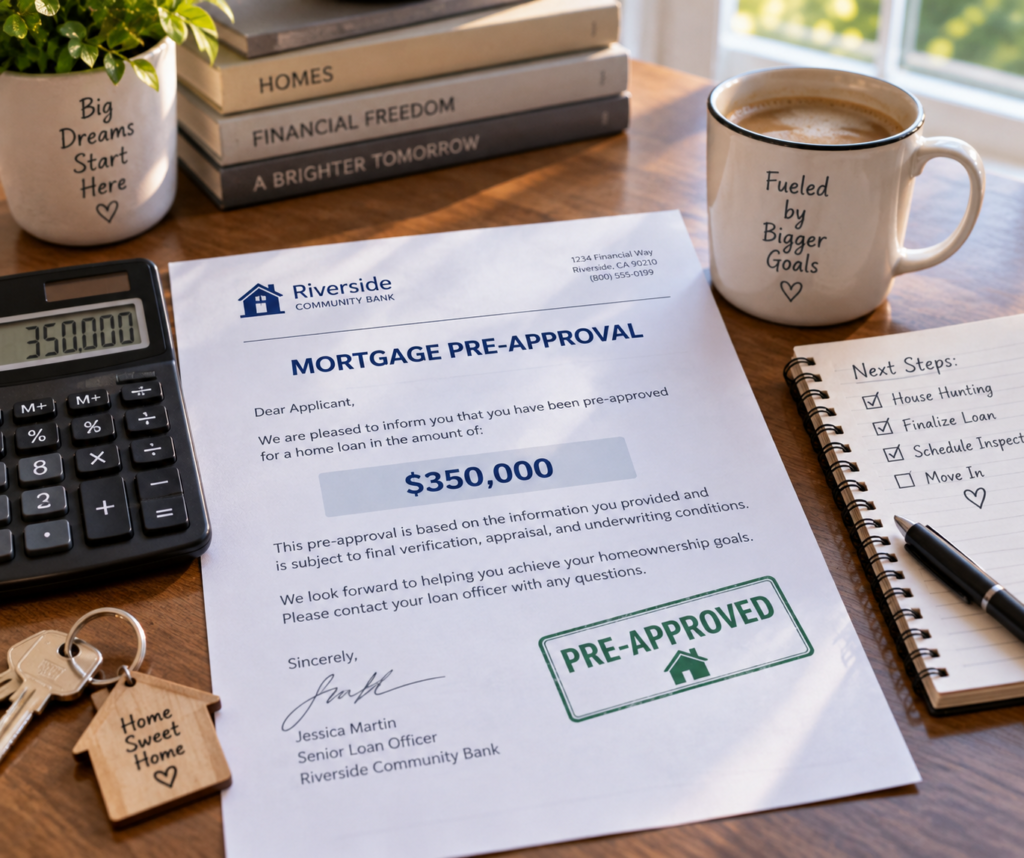
Lenders approve you for the maximum they believe you can technically pay based on income and debt, not the amount that leaves you financially comfortable. That number is built around their risk tolerance, not your lifestyle, your savings goals, or the fact that you might want to travel, have kids, or simply not panic every time the car needs a repair.
Treat your pre-approval amount as a ceiling you could theoretically hit, not a target to aim for. Most financial advisors suggest keeping your total housing costs, including mortgage, taxes, insurance, and HOA fees, at or below 28% of your gross monthly income, and some recommend going even lower if you have other financial goals competing for that money.
Calculate the True Cost, Not Just the Mortgage Payment

The advertised mortgage payment is only part of the real monthly cost of owning a home. Property taxes and homeowners insurance get added into most mortgage payments through escrow, but people are frequently surprised by how much they add. On top of that, expect utilities that are often higher than renting due to more square footage, routine maintenance, and the classic rule of thumb that sets aside 1% of the home’s value per year for repairs and upkeep.
Before making an offer, build a full monthly estimate that includes all of these categories, not just the number a mortgage calculator spits out.
Keep a Real Emergency Fund After Closing

One of the fastest paths to house poor is draining every last dollar for the down payment and closing costs, leaving nothing behind. Homes come with surprises: a water heater that fails in month two, a roof that needs patching, an appliance that dies right after the warranty from the previous owner expires.
Aim to keep three to six months of expenses in savings after closing, separate from anything set aside for moving costs or furniture. If reaching your down payment goal would wipe out that cushion completely, it’s worth waiting a little longer or adjusting your target price down.
Don’t Skip the Home Inspection to Save Money
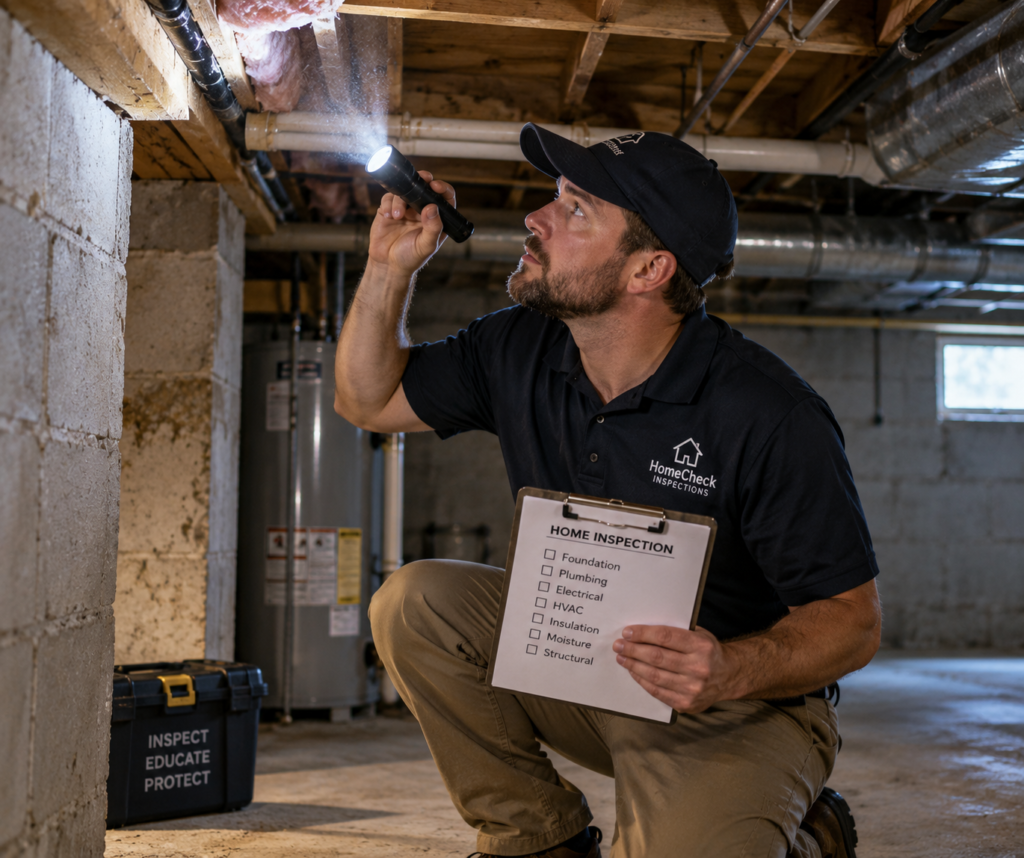
In competitive markets, buyers sometimes waive inspections to make their offer more appealing. This can save a few hundred dollars upfront and cost tens of thousands later if it hides a foundation issue, an aging HVAC system, or outdated wiring. An inspection isn’t just a formality, it’s a preview of the maintenance costs waiting in your first few years of ownership, and it gives you real numbers to negotiate with or walk away from.
Choose a Loan Term and Rate That Match Your Goals, Not Just the Lowest Payment

A 30-year mortgage usually has a lower monthly payment than a 15-year one, which can be the right call if it keeps your budget breathing room intact. But it’s worth running both numbers, along with the total interest paid over the life of the loan, before assuming lower is automatically better. Some buyers split the difference by choosing the 30-year term for payment safety but making extra principal payments when their budget allows, keeping flexibility without locking in a higher required payment.
Leave Room in the Budget for Life to Keep Happening

Becoming house poor often isn’t about one big mistake, it’s about a budget so tight that a normal life event, a job change, a medical bill, a new baby, tips everything over. Before signing anything, ask whether your planned housing payment still leaves room for retirement contributions, other savings goals, and a bit of everyday enjoyment. A home that requires giving up every other financial goal to afford isn’t actually affordable, even if the bank says otherwise.
Final Thoughts
Buying a home without becoming house poor comes down to a simple shift: basing your decision on what fits your full financial life, not on the biggest number a lender is willing to hand you. Run the true monthly cost, protect your savings cushion, don’t skip the inspection, and leave room for the rest of your life to keep going. A home should make your life bigger, not smaller.

I’m Grayson Watson, your frugal companion and the brain behind this money-saving extravaganza. Strap yourself in, because we’re about to embark on a wallet-friendly adventure like no other. Learn More!