
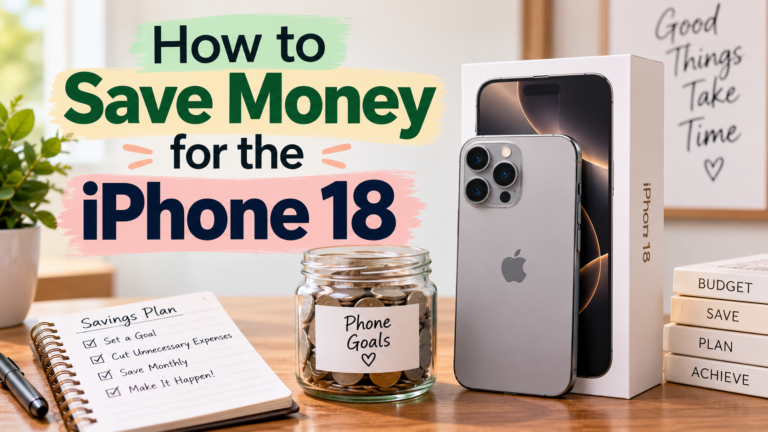
A new iPhone is one of the more predictable big purchases you can plan for — the price range is known well in advance, and the release timeline follows a pattern Apple rarely deviates from. That predictability makes it one of the easier “big buys” to save for intentionally, rather than putting it on a credit card and paying interest for months afterward.
Know What You’re Actually Saving For
The iPhone 18 lineup is arriving in stages: the Pro and Pro Max models (plus Apple’s first foldable iPhone) launched in September 2026, while the standard iPhone 18 and a more affordable “e” model aren’t expected until spring 2027. Knowing which model you’re aiming for — and roughly when it’ll be available — lets you set a realistic savings deadline instead of guessing.
A practical first step: check current pricing on Apple’s site for the model tier you want (Pro, Pro Max, or the standard model once it’s out), plus your carrier or trade-in options, so your savings target is based on a real number rather than an estimate.
Set a Savings Target and Timeline
Once you know the price, break it down the same way you would any planned purchase:
- Subtract any trade-in value. If you have an older iPhone, checking its trade-in value first can meaningfully lower the amount you actually need to save.
- Divide by the months until launch (or your target purchase date). A phone that’s 6 months away means dividing the remaining cost into 6 manageable chunks rather than saving in a lump sum at the last minute.
- Open a dedicated savings spot. A separate savings account, envelope, or even a labeled jar keeps “phone money” mentally separate from regular spending, which makes it far less likely to get absorbed into everyday purchases.
Ways to Free Up the Money
1. Trade in your current phone. Apple, carriers, and third-party buyback sites all offer trade-in credit — comparing a few options before committing can meaningfully increase what you get.
2. Sell your old phone directly instead of trading it in. Selling directly (marketplace apps, local buy/sell groups) often nets more than a trade-in credit, though it takes more effort.
3. Redirect one recurring expense toward the fund. Canceling an unused subscription or downgrading one service and redirecting that monthly amount straight into your phone fund adds up faster than it feels like it should.
4. Use cash-back or rewards points you already have. Credit card rewards, cash-back apps, or store credit sitting unused can offset part of the cost without touching your regular budget.
5. Take on a short-term side task. A single weekend of selling unused items around the house, freelance work, or gig-based tasks can cover a meaningful chunk of the remaining balance.
6. Automate a weekly or biweekly transfer. Even a modest automatic transfer into your phone fund on a set schedule builds the balance steadily without requiring ongoing willpower.
Consider the Full Cost, Not Just the Sticker Price
A phone purchase often comes with costs beyond the device itself — a case, screen protector, possibly AppleCare, and any plan changes with your carrier. Building a small buffer (5–10% above the phone’s listed price) into your savings target avoids a surprise shortfall at checkout.
Should You Wait for a Price Drop or Buy at Launch?
If you don’t need the newest model specifically, buying the previous generation (once the newer one launches) is one of the most reliable ways to get similar performance for meaningfully less, since prices on the prior model typically drop once a new one is released. If having the current-year model matters to you, saving toward the full price in advance — rather than financing it — avoids paying additional interest on top of an already significant purchase.
Final Thoughts
An iPhone is one of the more predictable big purchases out there — the price and rough release date are known well ahead of time, which means a little planning goes a long way. Setting a clear target, freeing up money through trade-ins or small cuts elsewhere, and automating your savings can get you to launch day with cash in hand instead of a new monthly payment to worry about.

I’m Grayson Watson, your frugal companion and the brain behind this money-saving extravaganza. Strap yourself in, because we’re about to embark on a wallet-friendly adventure like no other. Learn More!