

Introduction: You Are Not Alone
Millions of people are navigating tight budgets, rising costs, and unpredictable income. This guide isn’t about shame or lecturing — it’s a practical toolkit built around one goal: helping you cover what matters most, reduce stress, and find breathing room wherever possible.
Every section below includes real, actionable steps. Take what applies to your situation and leave the rest.

1. Building a Bare-Bones Budget
The foundation of financial survival is knowing exactly where your money goes.
- List every source of income — including irregular gig work, benefits, or side jobs.
- Separate needs from wants. Needs: housing, utilities, food, transportation, medication. Wants: everything else.
- Use the “zero-based budget” method — every dollar gets assigned a job before the month starts.
- Track spending daily, even small purchases. A notebook or free app works fine.

Quick Tip
If your income varies month to month, budget based on your lowest expected income, not your average.
2. Cutting Food Costs Without Sacrificing Nutrition
Food is often the most flexible part of a budget — but it shouldn’t come at the cost of your health.
- Plan meals around sales and what you already own before making a list.
- Buy in bulk for shelf-stable staples like rice, beans, oats, and pasta.
- Use frozen and canned produce — often cheaper and just as nutritious as fresh.
- Cook in batches and freeze portions to avoid costly takeout on busy days.
- Look into local food banks, community fridges, and SNAP/EBT benefits if eligible.

Resource Spotlight
Search “food bank near me” or call 211 (in the U.S.) to find local food assistance programs.
3. Slashing Utility Bills
Small changes add up fast when it comes to monthly utilities.
- Unplug devices not in use — phantom power drains add up.
- Switch to LED bulbs for long-term savings.
- Seal drafts around windows and doors with cheap weatherstripping.
- Contact your utility provider — many offer low-income assistance programs or payment plans.
- Use a programmable thermostat or manually adjust temperature when away.

4. Navigating Housing Costs
Housing is usually the largest expense, so even small wins here matter most.
- Negotiate rent — especially if you’ve been a reliable tenant.
- Look into rental assistance programs through local housing authorities.
- Consider house-sharing or subletting a spare room if space allows.
- Apply for utility or rent relief programs before falling behind, not after.

Warning Sign to Watch For
If you’re behind on rent, contact your landlord before eviction proceedings start — many are open to payment plans to avoid the cost of turnover.
5. Managing Debt Without Panic
Debt feels overwhelming, but structure brings control back.
- List all debts with balance, interest rate, and minimum payment.
- Use the “snowball method” (smallest balance first) for motivation, or the “avalanche method” (highest interest first) to save more money long-term.
- Call creditors directly to ask about hardship programs — many offer reduced payments or paused interest.
- Avoid payday loans — the fees often trap people in worse debt cycles.

6. Free and Low-Cost Healthcare Options
Skipping healthcare due to cost can lead to bigger expenses later. Explore these first:
- Community health clinics often offer sliding-scale fees based on income.
- Federally Qualified Health Centers (FQHCs) provide low-cost care regardless of insurance status.
- Prescription discount programs like GoodRx can cut medication costs significantly.
- Check Medicaid eligibility — income limits are often higher than people assume.

7. Earning Extra Income Without Burning Out
Side income can create breathing room — but sustainability matters more than hustle.
- Sell unused items online through local marketplace apps.
- Offer skills-based gigs — tutoring, pet sitting, cleaning, or freelance work.
- Look into paid surveys or user-testing sites for small, flexible income.
- Check local temp agencies for short-term, flexible work.

8. Accessing Government and Community Assistance
Many programs go unused simply because people don’t know they qualify.
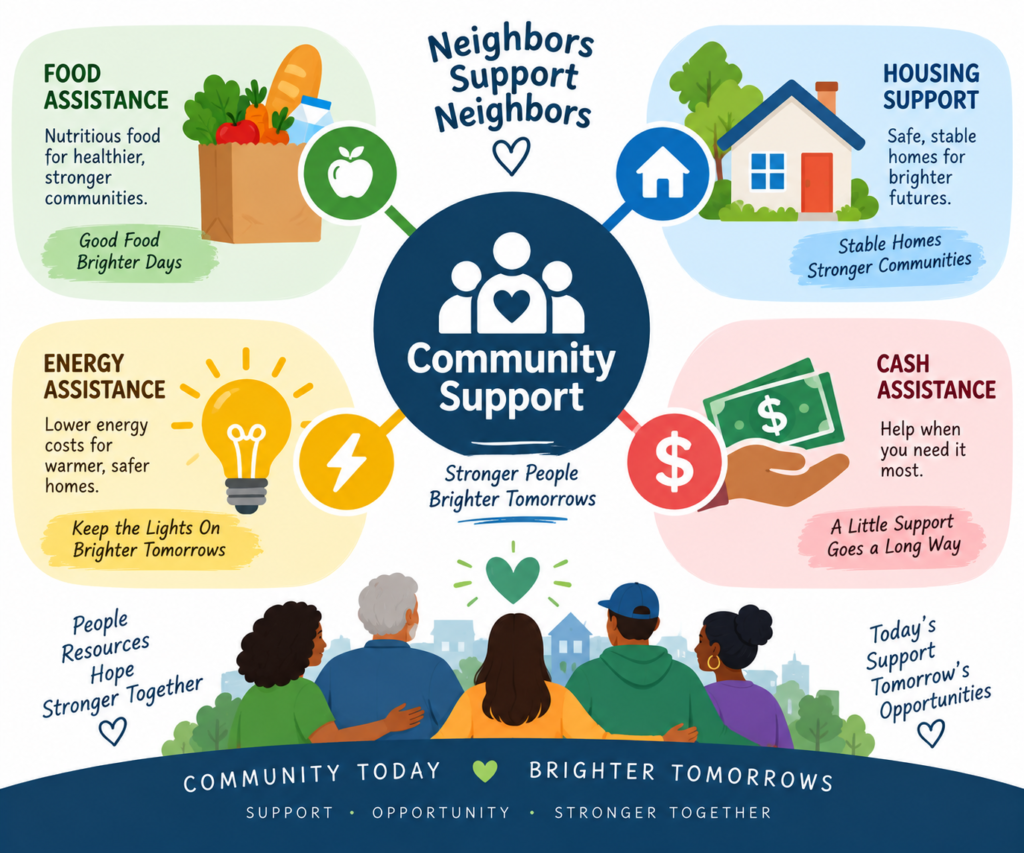
- SNAP (food assistance)
- TANF (temporary cash assistance)
- LIHEAP (energy bill assistance)
- Section 8 housing vouchers
- Local nonprofit emergency funds for rent, utilities, or medical bills
Where to Start
Call 211 or visit benefits.gov to screen for programs you may qualify for — it takes about 10 minutes.
9. Protecting Your Mental Health Through Financial Stress
Money stress affects sleep, relationships, and health. Protecting your mental well-being isn’t a luxury — it’s part of survival.
- Talk to someone — a friend, support group, or free community counseling service.
- Practice small, free stress relief — walking outside, deep breathing, journaling.
- Set tiny, achievable goals rather than overwhelming yourself with the big picture.
- Celebrate small wins — every bill paid on time is real progress.

10. Building an Emergency Cushion (Even a Small One)
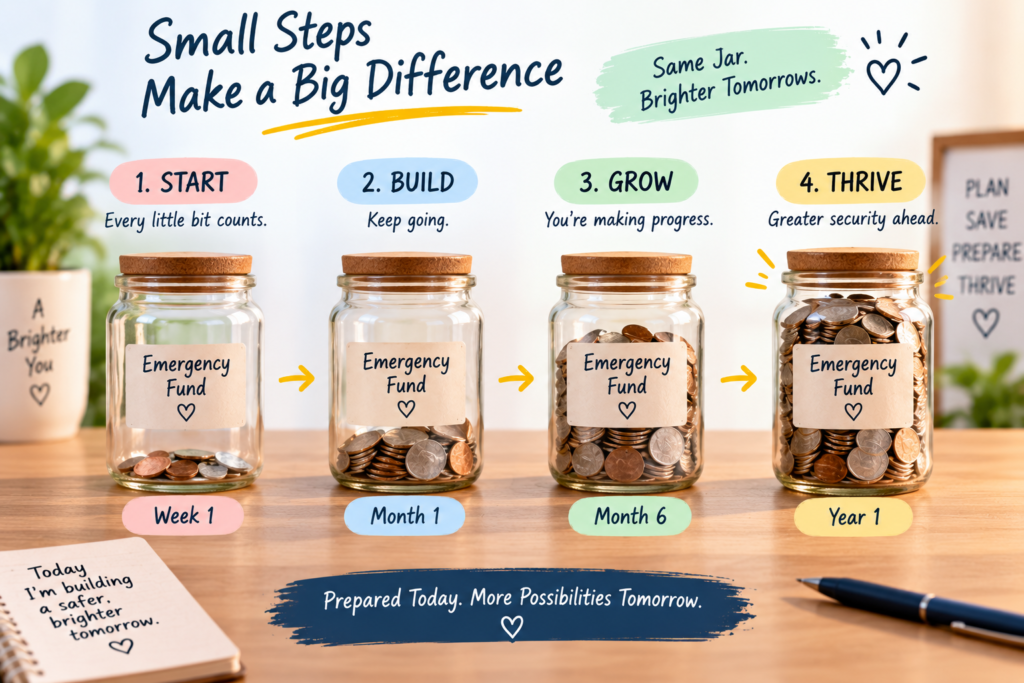
Even $5 a week adds up and creates a buffer against life’s surprises.
- Start with a “starter fund” goal of just $250–$500.
- Automate small transfers to a separate savings account, even $2 at a time.
- Use windfalls wisely — tax refunds, gifts, or bonuses can jump-start savings.
Final Thoughts: Progress, Not Perfection
Surviving on a low income is exhausting, and no single guide can erase that reality. But small, consistent choices — a renegotiated bill, a discovered benefit program, a $5 deposit into savings — build real momentum over time.
You don’t need to fix everything today. You just need to take the next right step.

I’m Grayson Watson, your frugal companion and the brain behind this money-saving extravaganza. Strap yourself in, because we’re about to embark on a wallet-friendly adventure like no other. Learn More!