
Every year, the average household throws away hundreds of dollars’ worth of food that never gets eaten — wilted greens, forgotten leftovers, freezer-burned meat. The good news is that the same habits that shrink your grocery bill also shrink your food waste. They’re really the same problem wearing two hats.
Here’s a practical system for planning meals, shopping smarter, and making sure almost everything you buy actually gets eaten.
1. Start With What You Already Have
Before you plan a single meal, open your fridge, freezer, and pantry. Write down everything that’s close to its expiration date or has been sitting untouched for a while. This becomes the foundation of next week’s menu — not an afterthought.
Quick habit: Keep a small whiteboard or notepad on the fridge door labeled “Eat Me Soon.” Anything nearing its expiration date goes on the list first.
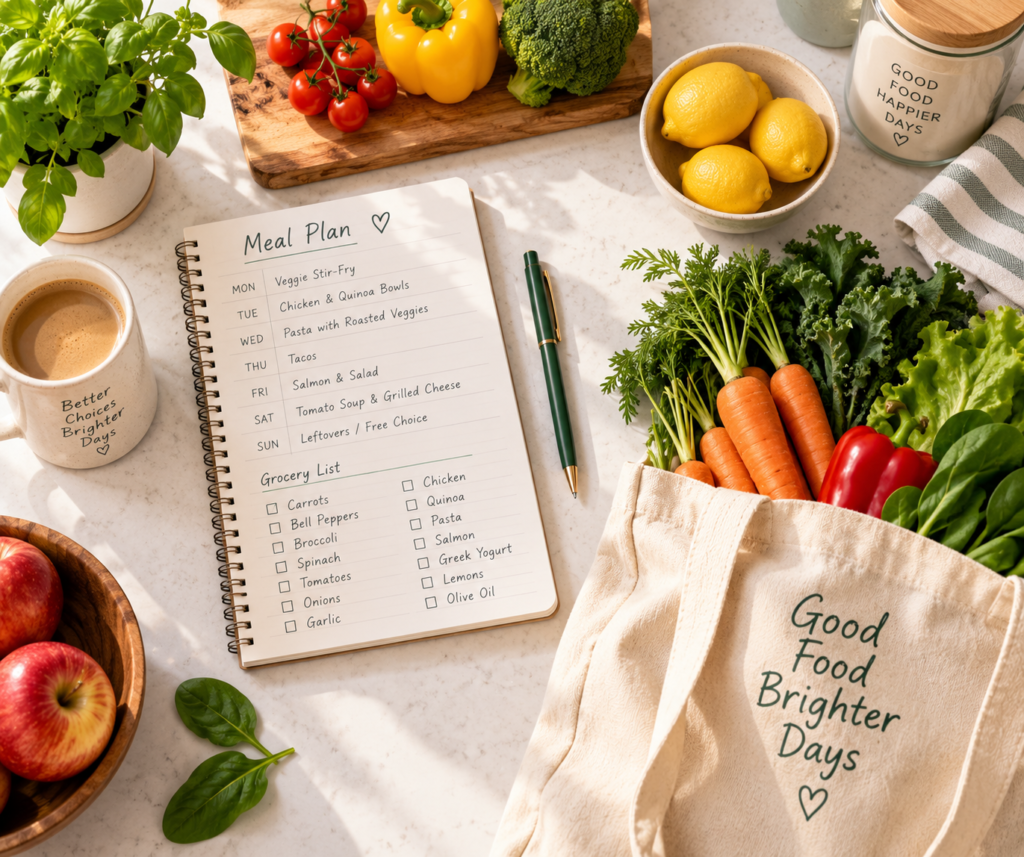
2. Plan Meals Around a Theme, Not a Recipe List
Instead of picking five completely different recipes, choose a loose theme for the week (e.g., “one-pot meals,” “stir-fry night,” “soup and sandwiches”) and build meals from a shared pool of ingredients. This means one bunch of cilantro or one bag of onions can be stretched across three dinners instead of going stale after one.
Try this format:
- Monday: Roast chicken + vegetables
- Tuesday: Chicken tacos (using leftover chicken)
- Wednesday: Chicken soup (using the carcass + remaining vegetables)
3. Shop With a List — and a Full Stomach
This is the oldest advice in the book because it works. A specific list (not just “vegetables” but “2 zucchini, 1 lb ground turkey, 1 bag spinach”) keeps you from over-buying duplicates or impulse items that later get wasted. Shopping on a full stomach reduces impulse buys by a significant margin, since hunger makes almost everything look necessary.
Bonus tip: Organize your list by store layout (produce, dairy, pantry, freezer) so you move through efficiently and aren’t tempted by aisles you don’t need.
4. Buy Perishables in Amounts You’ll Actually Use
It’s tempting to buy the giant bag of spinach because it’s cheaper per ounce — but if half of it turns to mush before you get to it, you haven’t saved anything. Match your perishable purchases to your actual meal plan, and save the bulk-buying for shelf-stable items like rice, pasta, canned goods, and frozen vegetables.
Rule of thumb: If a fresh item isn’t part of a planned meal within 5–7 days, don’t buy it this trip.
5. Master the Art of “Ingredient Reuse”
A rotisserie chicken becomes tacos, then soup, then fried rice. A bag of shredded carrots goes into a stir-fry, then a salad, then a soup base. Thinking of ingredients as flexible building blocks rather than single-use items for one recipe is the single biggest food-waste killer.
Freezer-friendly staples worth stocking:
- Bread (freezes and toasts well)
- Shredded cheese
- Cooked grains (rice, quinoa)
- Chopped onions, peppers, and herbs (freeze in ice cube trays with a little oil)
6. Set a Realistic Weekly Grocery Budget
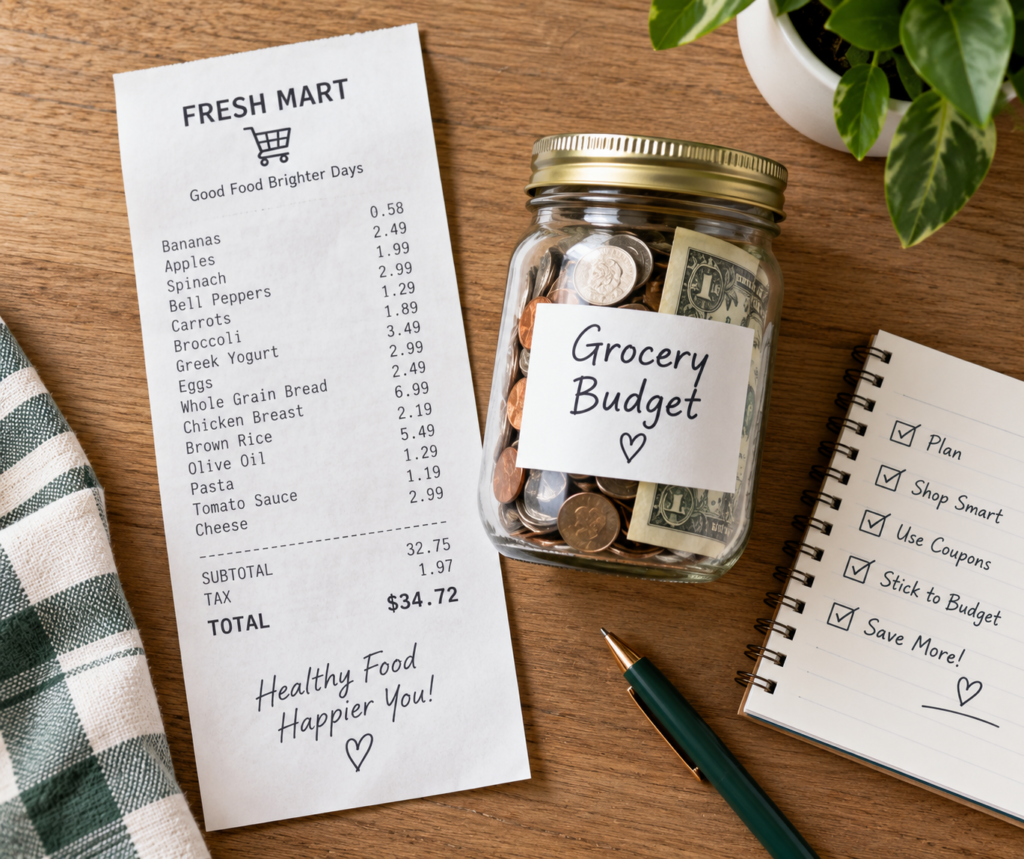
Once your meal plan and list are built, assign a dollar amount to the trip before you go — based on your household size and typical needs. Many budgeting frameworks suggest groceries fall under the “needs” portion of your income (often cited around 10–15% for food, varying by household), but the number that matters most is the one that fits your actual budget and goals.
Track it simply:
| Week | Budget | Actual Spent | Difference |
|---|---|---|---|
| 1 | $120 | $114 | -$6 |
| 2 | $120 | $131 | +$11 |
Seeing the pattern over a few weeks tells you more than any single trip.
7. Do a Weekly “Fridge Audit” Before You Shop Again
Right before your next grocery trip, take two minutes to look through the fridge again. This closes the loop — you catch what’s about to go bad, work it into this week’s plan, and avoid re-buying something you already have hiding in the back.
The Bottom Line
Meal planning and food-waste reduction aren’t separate chores — they’re the same skill. When you plan around what you have, shop with intention, and treat ingredients as reusable building blocks, you naturally spend less and throw away less. Start small: pick one habit from this list (the “Eat Me Soon” shelf is a great first step) and build from there.

I’m Grayson Watson, your frugal companion and the brain behind this money-saving extravaganza. Strap yourself in, because we’re about to embark on a wallet-friendly adventure like no other. Learn More!