

Grocery bills have a sneaky way of creeping up without anyone actually deciding to spend more. A few extra “just this once” items here, a skipped shopping list there, and suddenly the weekly bill is 30% higher than it was a year ago. The good news is that saving on groceries doesn’t require couponing for hours or living on rice and beans — it just takes a few consistent habits.

Here’s a realistic, no-nonsense system for cutting your grocery bill every single week.
1. Plan Meals Around What’s Already in Your Kitchen
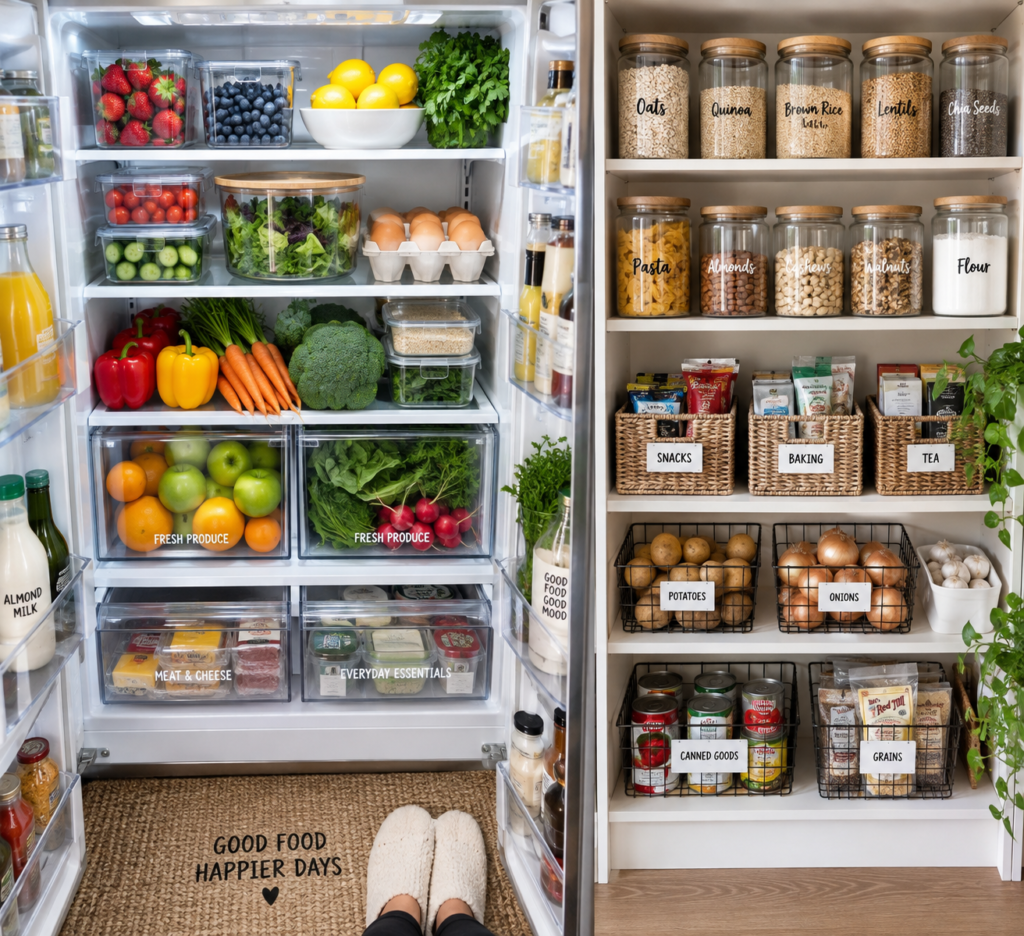
Before making a shopping list, do a quick inventory of your fridge, freezer, and pantry. Building meals around what you already have prevents duplicate purchases and cuts down on food waste — which is one of the biggest hidden grocery costs.
2. Make a List — and Actually Stick to It
A written (or app-based) list is the single most effective grocery-saving tool there is. It keeps you focused, reduces impulse add-ons, and makes it much easier to say no to the “maybe I’ll need this” items that pile up in a cart.
Bonus tip: Organize your list by store section (produce, dairy, pantry, etc.) so you move through the store efficiently and spend less time near tempting displays.
3. Shop With a Full Stomach, Not a Full Cart Fantasy
Grocery shopping while hungry is a proven way to overspend — studies consistently show hungry shoppers buy more, and often less healthy, food. Eating something small before you head out keeps decisions rational instead of craving-driven.

4. Use the Unit Price, Not the Sticker Price
The bigger package isn’t always the better deal. Check the small “price per unit” label on the shelf tag (per ounce, per liter, per item) to compare true value — brand-name smaller packages are sometimes cheaper per unit than generic bulk sizes.
5. Build Meals Around What’s on Sale
Instead of deciding on meals first and then buying whatever they require, flip the process: check the weekly sale flyer or app first, then plan meals around discounted proteins, produce, and pantry staples. This alone can meaningfully lower a weekly bill without any sacrifice in variety.
6. Buy Generic for Pantry Staples
For basics like flour, sugar, spices, canned goods, and cleaning supplies, store brands are often made in the same factories as name brands with a lower price tag attached. Save the name-brand budget for the handful of items where you genuinely notice a taste or quality difference.
7. Use Cashback and Rebate Apps
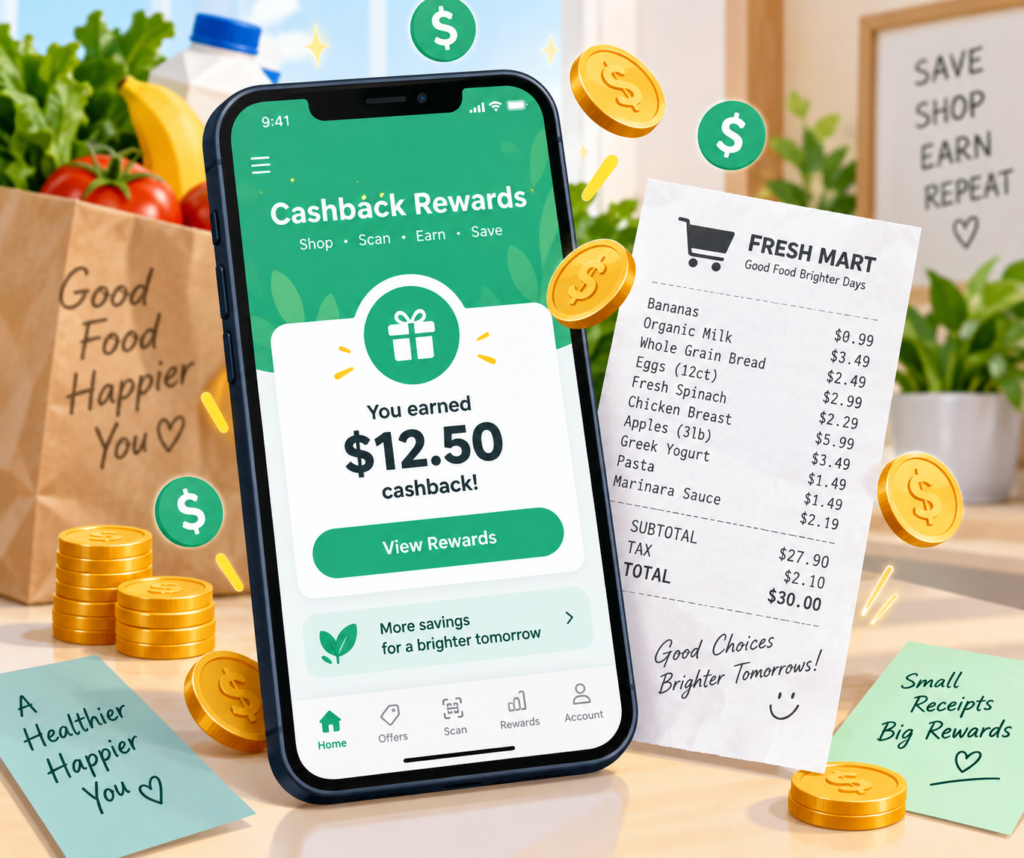
Free grocery cashback and rebate apps let you scan receipts or link your store loyalty account to earn money back automatically — no coupon cutting required. Over a year, this can add up to a meaningful amount for almost zero extra effort.
8. Batch Cook and Freeze
Cooking larger portions and freezing individual portions reduces the temptation to order takeout on busy nights — one of the fastest ways a “grocery budget” quietly turns into a much bigger food budget overall.
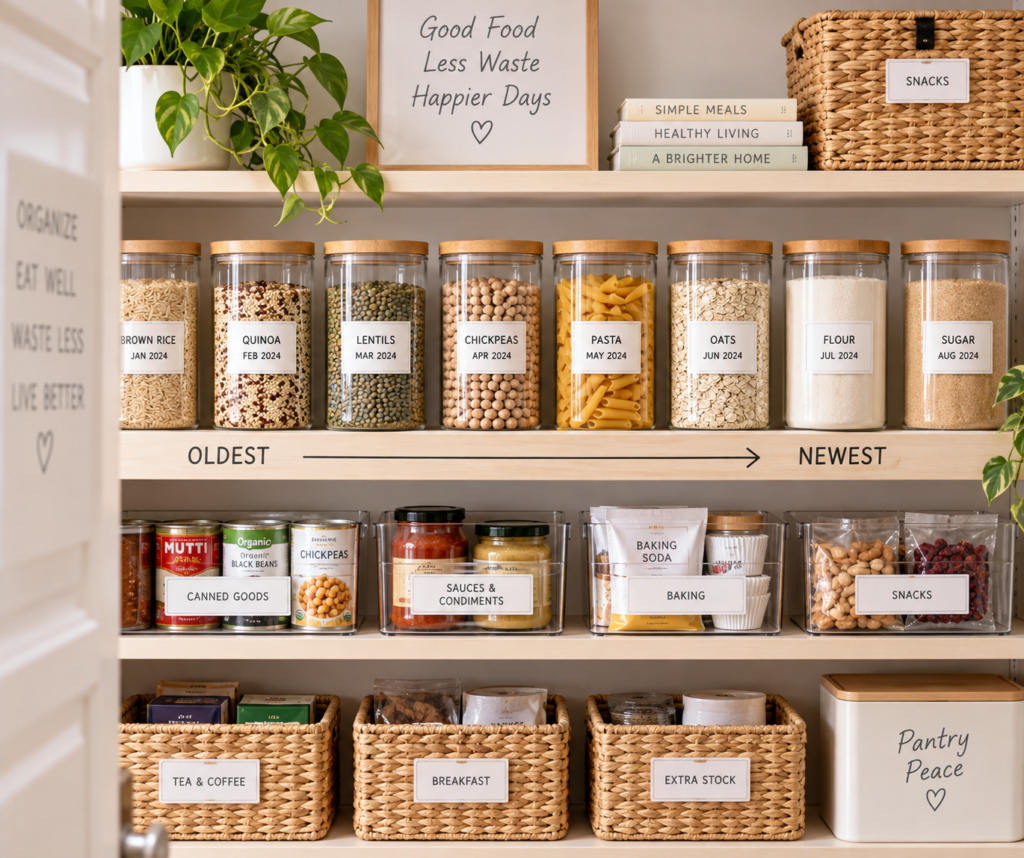
9. Rotate Your Pantry (First In, First Out)
Organize pantry and freezer items so older purchases are used before newer ones. This simple habit dramatically reduces the amount of food that gets forgotten and eventually thrown out — money straight into the trash otherwise.
10. Track Your Grocery Spending Weekly
Set a realistic weekly grocery budget and actually track it — a notes app, spreadsheet, or budgeting app all work. What gets tracked gets managed; most people find their spending naturally drops just from paying closer attention.
The Bottom Line
None of these tips require extreme sacrifice or hours of coupon clipping. Small, consistent habits — planning ahead, shopping with intention, and paying attention to price per unit — add up to real savings every single week, without making grocery shopping feel like a chore you dread.

I’m Grayson Watson, your frugal companion and the brain behind this money-saving extravaganza. Strap yourself in, because we’re about to embark on a wallet-friendly adventure like no other. Learn More!