
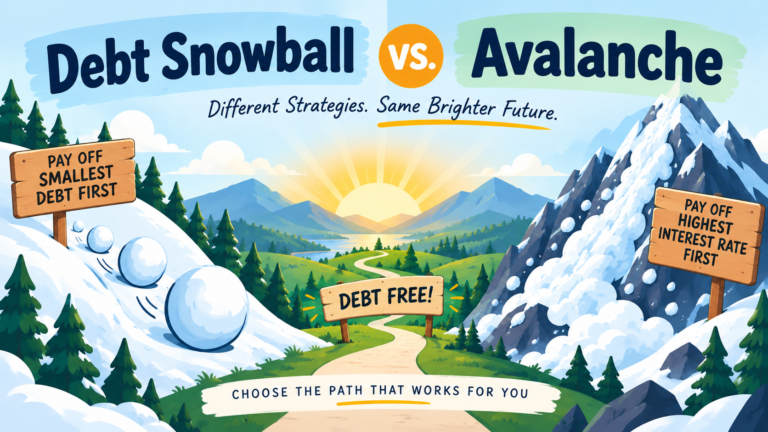
If you’ve ever Googled “how to pay off debt,” you’ve run into these two names about a thousand times. They sound like ski resort trail names, but they’re actually the two most popular debt payoff strategies out there. Both work. Both will get you to debt-free. But they get you there in very different ways — and picking the right one for your personality matters more than picking the “mathematically correct” one.
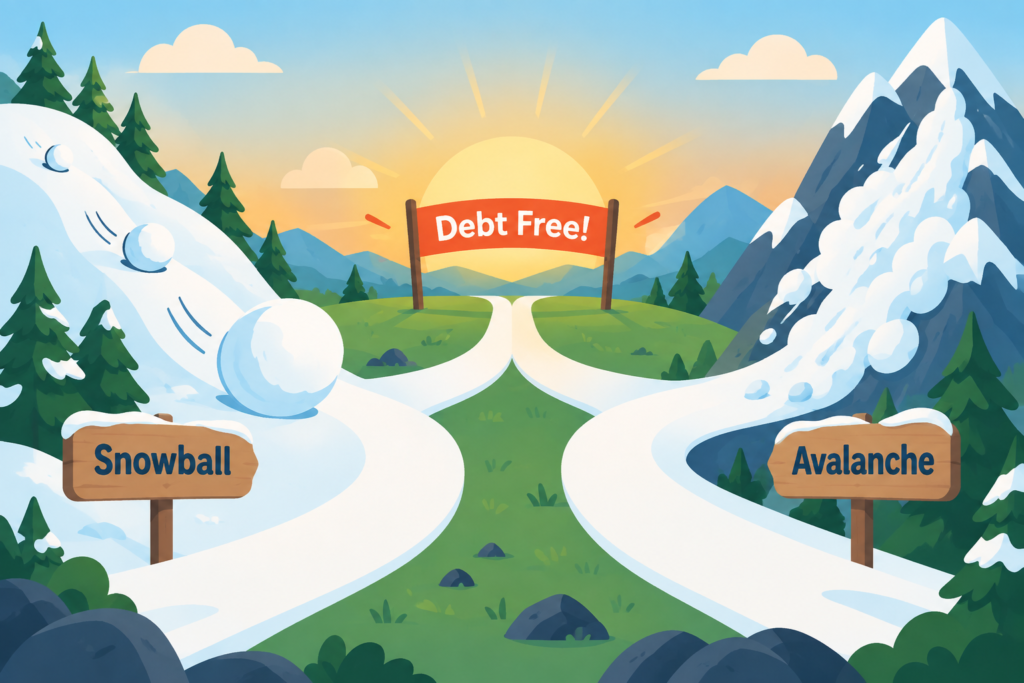
Let’s break it down simply, no spreadsheets required (okay, maybe one small one).
What Is the Debt Snowball?
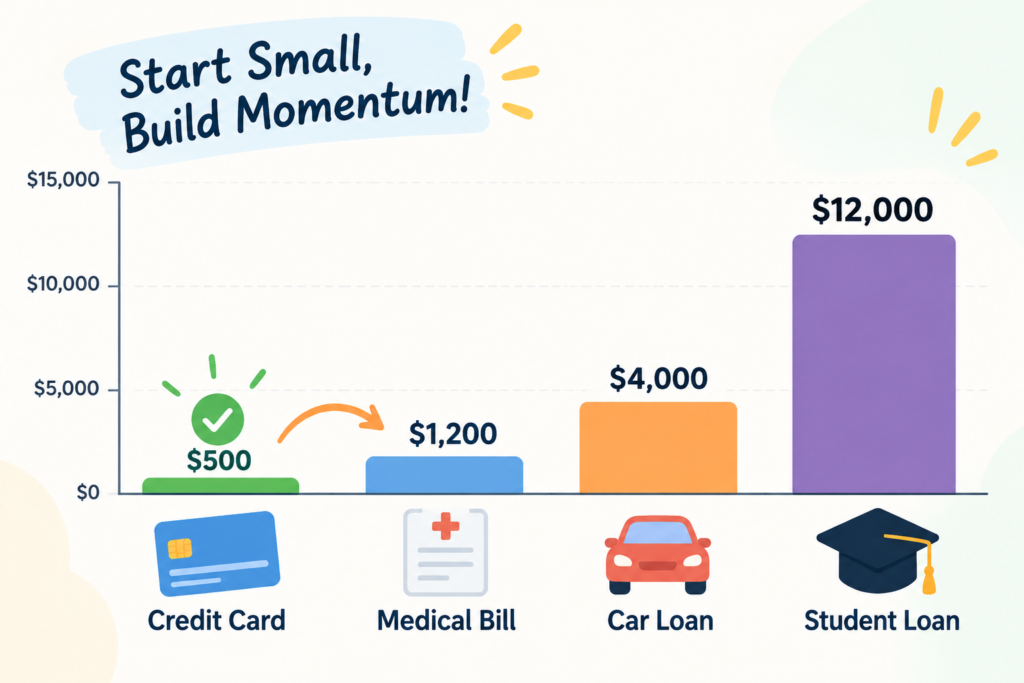
The debt snowball method, popularized by finance personality Dave Ramsey, is all about momentum and motivation. Here’s how it works:
- List all your debts from smallest balance to largest (ignore the interest rate for now).
- Pay the minimum on everything except the smallest debt.
- Throw every extra dollar you have at that smallest debt until it’s gone.
- Once it’s paid off, take the money you were paying on it and roll it into the next-smallest debt.
- Repeat until you’re debt-free.
The idea is simple: knocking out a whole debt — even a small one — gives you a quick win. That win builds confidence and keeps you motivated to keep going, like a snowball rolling downhill and picking up size and speed.
Why People Love It
- Fast psychological wins keep you motivated
- Simplifies your bill list quickly (fewer accounts to juggle)
- Great for people who’ve struggled to stick with a debt payoff plan before
The Downside
- You might pay more in total interest over time, since you’re not prioritizing high-interest debt first
What Is the Debt Avalanche?
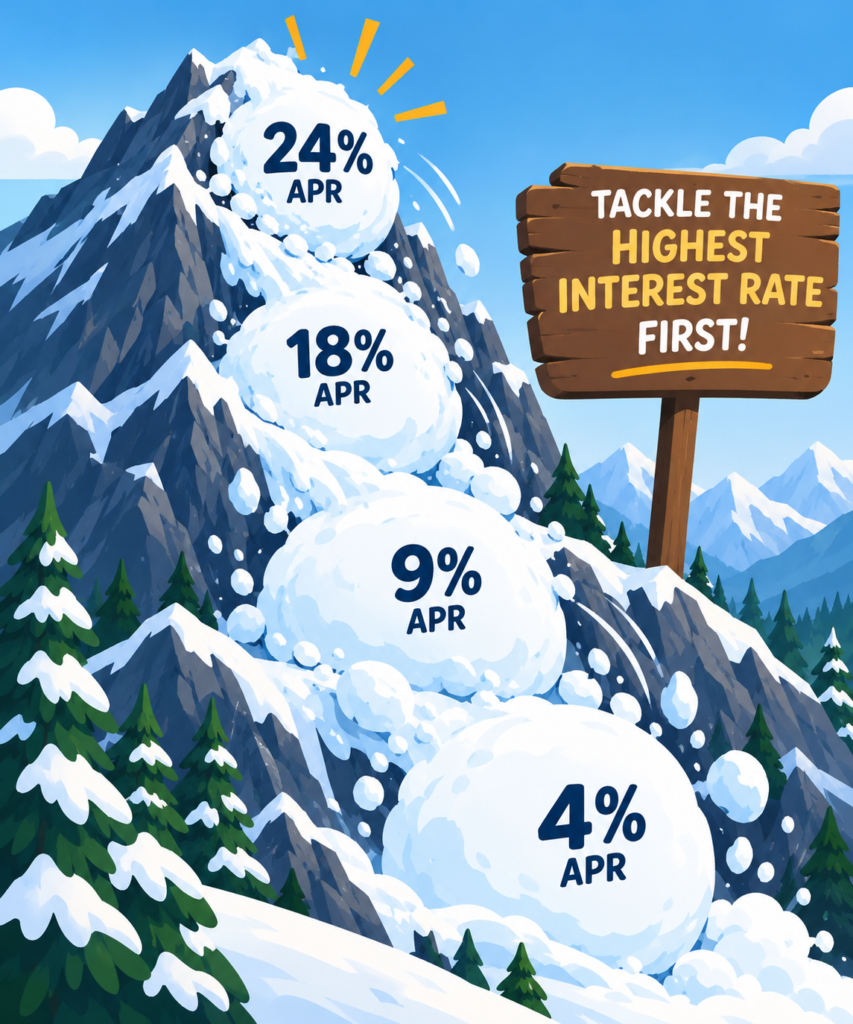
The debt avalanche method is the math nerd’s favorite (said with love). Instead of focusing on balance size, you focus on interest rate:
- List all your debts from highest interest rate to lowest.
- Pay the minimum on everything except the debt with the highest interest rate.
- Put every extra dollar toward that highest-interest debt.
- Once it’s paid off, roll that payment into the debt with the next-highest rate.
- Repeat until you’re debt-free.
Because you’re always attacking the debt that’s costing you the most in interest, you save more money over the life of your payoff journey.
Why People Love It
- Saves you the most money in interest over time
- Mathematically the most efficient path to debt-free
- Great for people who are motivated by numbers and long-term savings rather than quick wins
The Downside
- Progress can feel slow at first, especially if your highest-interest debt also has a large balance
- Requires more discipline since the “wins” take longer to show up
Snowball vs. Avalanche: Quick Comparison
| Debt Snowball | Debt Avalanche | |
|---|---|---|
| Order of attack | Smallest balance first | Highest interest rate first |
| Best for | Motivation, quick wins | Saving the most money |
| Total interest paid | Usually more | Usually less |
| Time to first “win” | Fast | Can be slow |
| Best personality fit | Needs momentum to stay on track | Comfortable playing the long game |
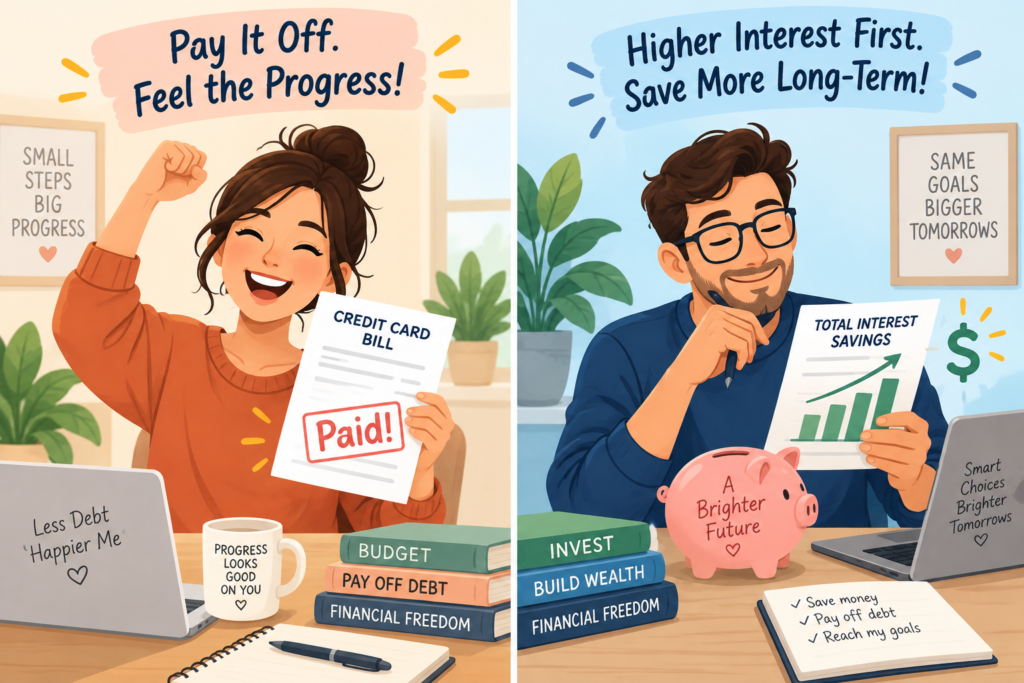
So Which One Should You Actually Use?
Here’s the honest, thrifty-mindset answer: the best method is the one you’ll actually stick with.
- If you’ve tried to pay off debt before and lost steam halfway through, go with the snowball. That first quick win can be the difference between quitting in month three and celebrating being debt-free in month eighteen.
- If you’re disciplined, motivated by numbers, and want to save every possible dollar in interest, go with the avalanche.
- If you’re not sure, try a hybrid approach: knock out any tiny debts under $500 first for a quick confidence boost, then switch to attacking by interest rate for the rest.
The Bottom Line
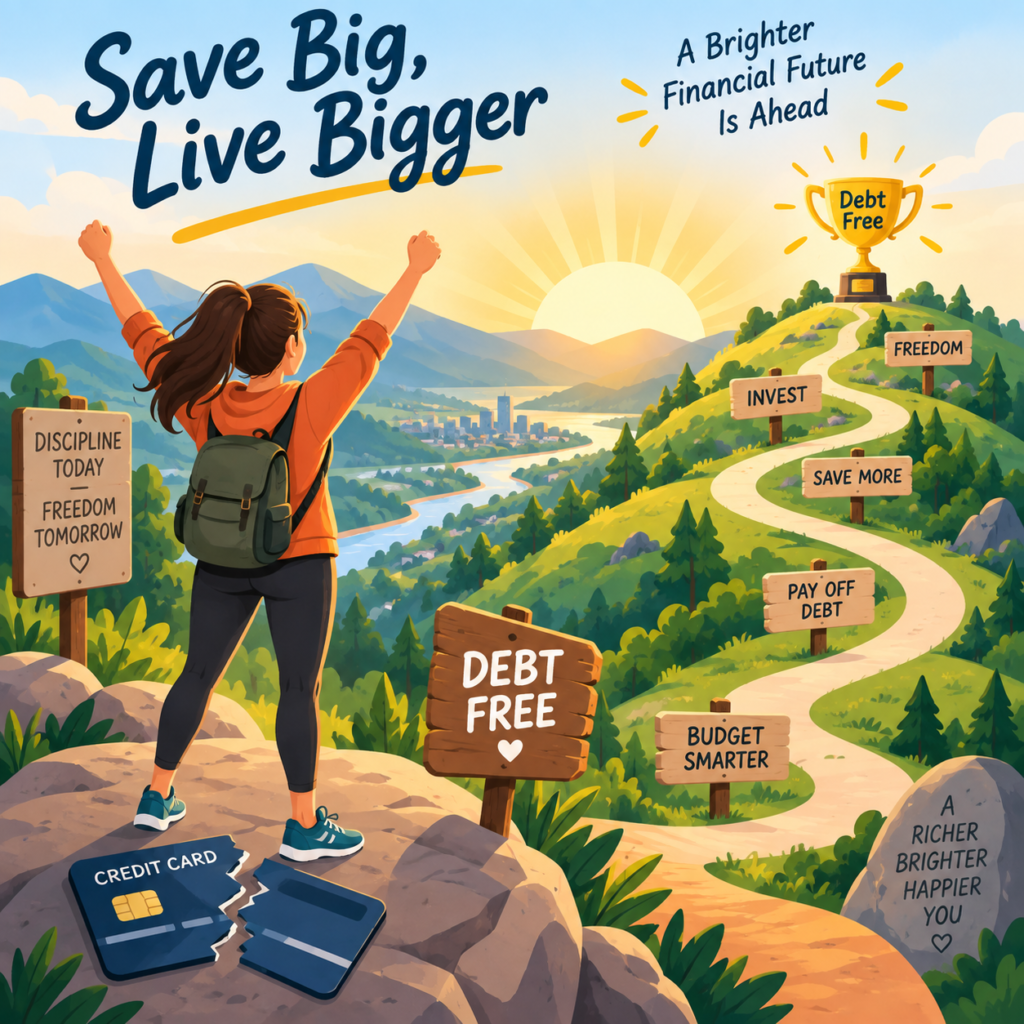
There’s no wrong choice here — both methods have helped thousands of people become debt-free. The real “hack” isn’t the math, it’s consistency. Pick a method, automate what you can, throw every spare dollar you find (yes, even that $20 from selling old clothes) at your target debt, and watch your balances disappear one by one.
Your future, debt-free self will thank you.

I’m Grayson Watson, your frugal companion and the brain behind this money-saving extravaganza. Strap yourself in, because we’re about to embark on a wallet-friendly adventure like no other. Learn More!